AI is no longer limited to writing ad copy or analyzing reports. AI agents can now perform actions, adjust campaigns, and influence budgets. Discover which tasks can be delegated, where human control remains essential, and how Pay2.House helps teams manage advertising payments.
Build a practical WeChat Ads funnel for mainland China: engage audiences in Moments and Channels, nurture demand through Official Accounts and WeCom, convert in Mini Programs with WeChat Pay, and control eligible team expenses with Pay2.House safely.
The updated TikTok Smart+ combines manual settings with automation. Learn how to manage campaign modes, budgets, creatives, tracking, and spending while scaling profitable ad combinations.
Seasonal demand can improve conversion rates while increasing traffic costs and ad spend. Learn how to account for GEOs and verticals, test offers, and prepare your advertising budget and payment infrastructure before scaling seasonal campaigns.
The US midterm elections take place on November 3, 2026. We look at what happened to Facebook Ads in 2020, 2022 and 2024, which problems affiliates face most often, and how to tell election effects from ordinary account, auction and payment issues.
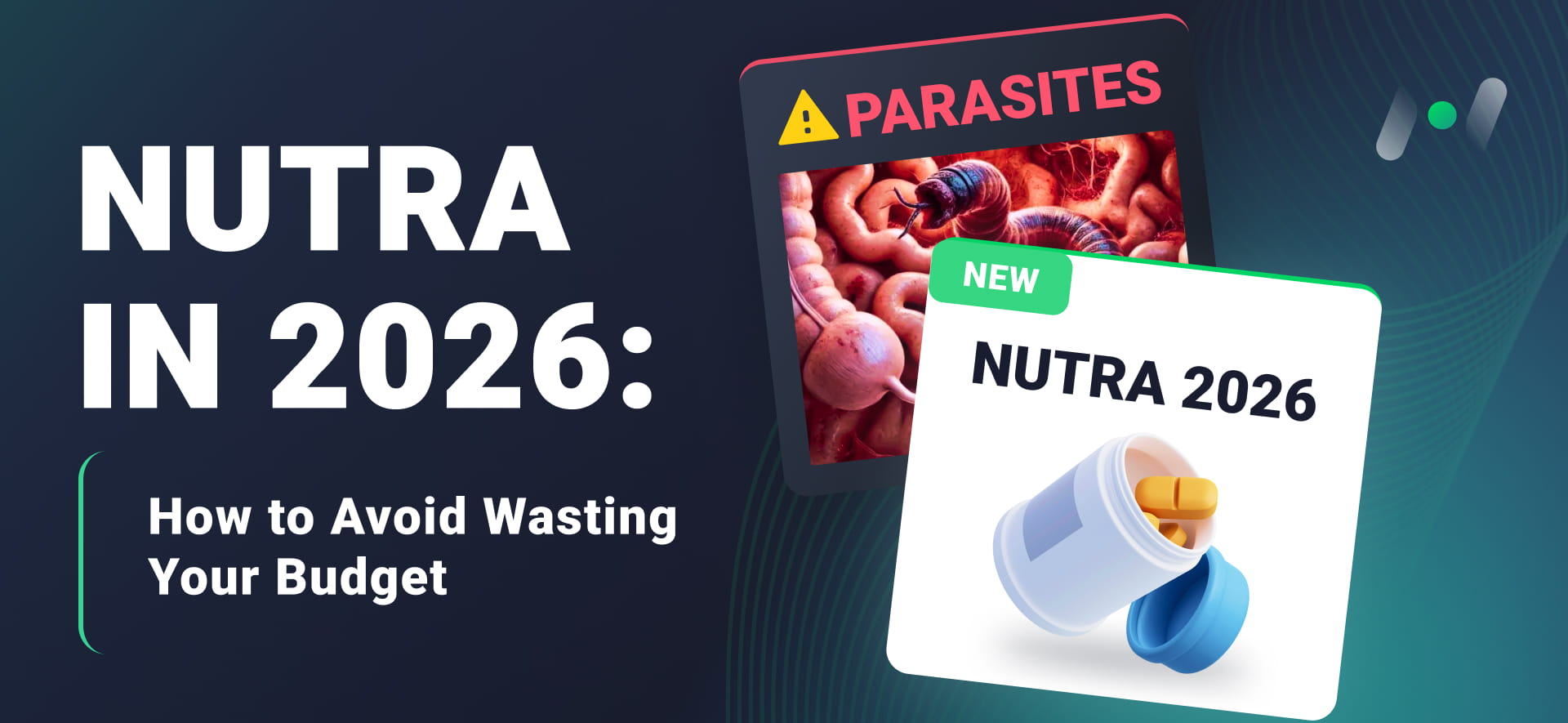
The era of shock content in nutra has come to an end. Moderation has become stricter, and users have become smarter. In this article, we will explain why aggressive creatives no longer work, how to use soft-nutra for stable launches, and how not to waste your budget on tests.
Do beginners really need a tracker from day one in affiliate marketing? Some say it is mandatory, while others advise taking your time. Let's break down what this tool actually does, when you can do without it, and when it becomes an absolute necessity.
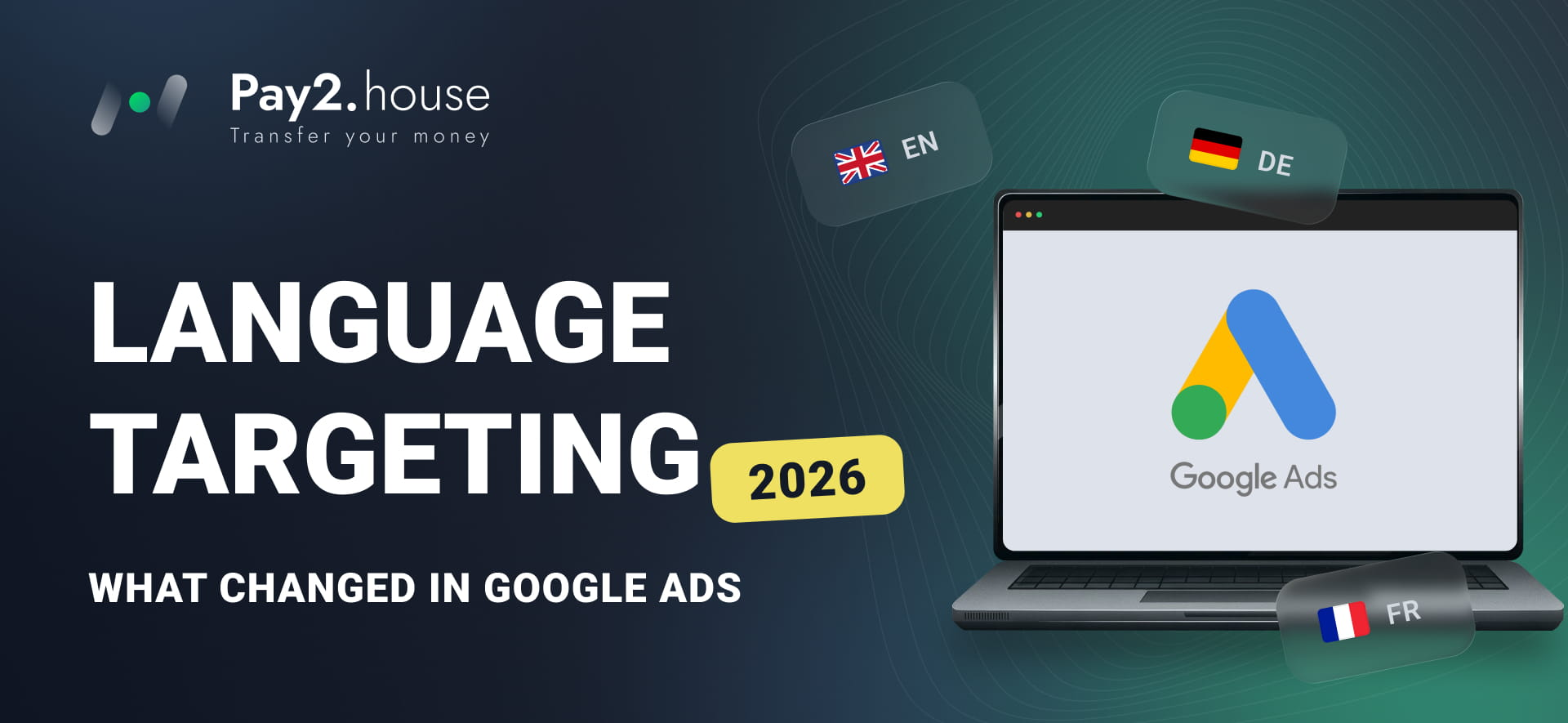
Google no longer uses campaign-level language settings for Search and AI Max for Search. Discover what changed, how it affects multilingual campaigns, and what affiliates should audit to keep CPA and profit under control.
Scaling an affiliate campaign without dropping ROI requires a structured approach. Discover how to safely increase ad budgets, expand into new GEOs, refresh creatives, and optimize payment infrastructure to grow volume while protecting your profit margins.








 Telegram
 Email
Email