An ad click is just the beginning. To turn cold traffic into leads, affiliates use prelanding pages. We break down the anatomy of intermediate pages, their popular formats, impact on funnel economics, and common testing mistakes.
Buying an established website, YouTube channel, or social media community can support your media buying strategy. Learn how to assess audience quality, verify traffic and revenue, arrange the transfer, and manage your first 30 days after acquisition.
Hong Kong agency accounts have long been the standard for media buyers. But Meta's new verifications and changes in ISP operations are forcing a reevaluation of this model. Let's analyze whether to abandon HK accounts and how to protect your ad budget.
Managing multiple ad accounts requires an organized infrastructure. Discover how media buying teams isolate proxies, antidetect browser profiles, and virtual payment methods across Meta, Google, and TikTok Ads to avoid linking and streamline teamwork.
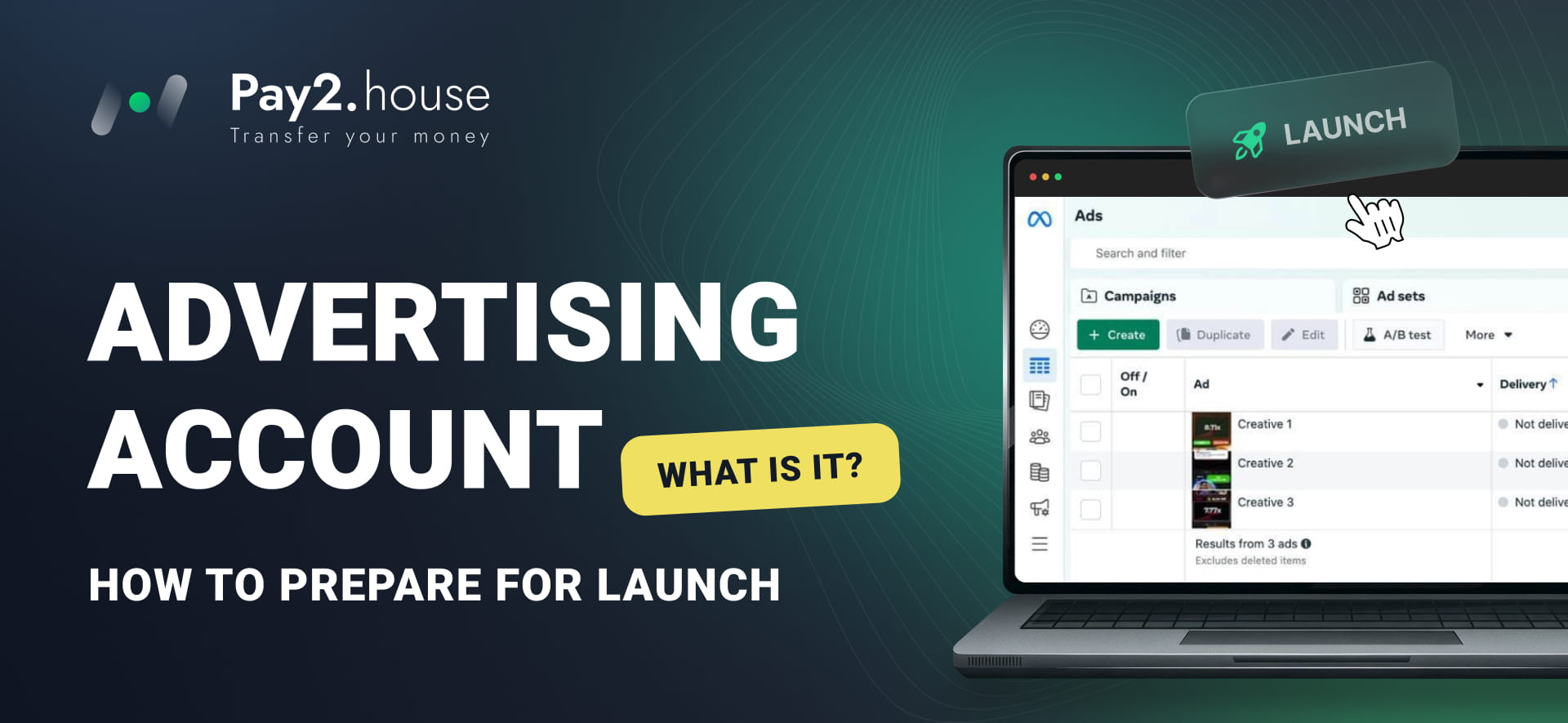
A step-by-step guide to preparing your ad manager for the first launch. Discover account structure, permission settings, analytics integration, budget calculations, and reliable payment solutions for smooth ad performance.
Why do mobile and desktop traffic deliver different results? Learn how to set up a fair test, compare CPA, approval rates and profit, check landing pages and tracking, and allocate your advertising budget based on each segment’s actual performance.
Payments on Meta Ads, Google Ads, and TikTok Ads can fail even when a card is active and has sufficient funds. Learn how each platform handles billing, what affects BIN compatibility, why Declines happen, and how to organize virtual card payments for media buying teams.
Tier 3 attracts advertisers with the opportunity to gain large volumes of traffic at a lower cost. We break down which countries belong to this group, why a cheap click does not equal a cheap conversion, and how to evaluate audience quality.
A fast landing page launch should not cost you leads or ad budget. Learn how to review a template, set up forms and analytics, deploy a website on a VPS with Ubuntu and Nginx, connect a domain and HTTPS, and organize payments for your working services.









 Telegram
 Email