


This gap is especially visible for advertisers running paid traffic, affiliate offers, multiple Telegram accounts, and several campaigns at once. You can solve the account, proxy, and ad payment side separately, but results will still be weak if there's no real process for handling the audience once it lands inside Telegram.
Telegram channel owners often describe huge swings in subscriber cost depending on the ad placement, and how skipping constant testing means overpaying for traffic. In one thread, the author points to a gap between $1.50 and $12 per subscriber, noting that testing speed directly affects the final acquisition cost.
In another discussion, an advertiser got plenty of clicks from ads but struggled with low conversion into actual channel subscriptions. Suggested fixes included an intermediate landing page and separately optimizing the campaign for the specific target action.
Both cases share the same underlying issue: the cost of getting someone to click tells you nothing about the cost of getting a paying customer.
Traffic Doesn't Make Money If It Keeps Breaking or Getting Lost
Picture a simple user journey. Someone sees an ad, clicks through to Telegram, subscribes to a channel or sends a message. From there, the lead gets handled, receives an offer, and eventually makes a purchase.
Audience drops off at every stage. Say a campaign brings in 1,000 people. Some won't subscribe, some won't message the manager, some won't get a reply, some get lost among other conversations, and some simply never reach the offer.
And there's a stage zero that's often overlooked entirely: the ad campaign needs to run without interruptions.
If the ad platform can't charge the card (declined, limit reached, billing issue), the campaign stops. And with it, the entire flow of new users. Advertisers regularly describe having to pause campaigns over payment issues, only to find performance different after resuming compared to before the pause.
For campaigns optimized for conversions, this is especially damaging. The algorithm stops receiving fresh behavioral data. After restarting, you have to verify all over again whether the campaign has returned to its previous efficiency. A pause isn't just a technical hiccup, it's a direct loss: wasted time, wasted budget re-warming the algorithm, and, most importantly, lost potential customers who could have converted during that exact window.
That's why judging a campaign purely on clicks or cost per subscriber isn't enough. You need to look at the whole chain, from payment stability to how the lead is ultimately processed.
If an advertiser pays $1 per click, that doesn't mean the lead costs $1. If only 10 out of 100 clicks reach the target action, that action now costs $10. But if the campaign keeps breaking down over payment failures, those 100 clicks might never even accumulate within the planned timeframe.
Mistake One: Traffic Dies Before the Click Even Happens
Before discussing conversion inside Telegram, it's worth looking at the stage that happens before any click at all. Many advertisers spend years perfecting creatives while neglecting payment infrastructure.
Here's the reality: Meta, Google, and Telegram Ads can halt a campaign at any moment if a charge fails, often without any clear warning. You simply stop getting traffic while a quiet billing notification sits unnoticed.
The industry calls this the payment killswitch. Even a 2 to 3 hour outage during peak hours gets expensive.
The learning phase resets. Algorithms stop receiving behavioral data. A pause longer than 7 days fully resets the learning phase, and after resuming, CPM and CPR can jump 20 to 50% within the first few days. On restart, the system has to relearn from scratch, and both click and conversion costs climb noticeably.
"Hot" users get lost. People who were ready to click through right now see a competitor's ad tomorrow, or simply lose interest.
Restart costs go up. Resuming a campaign after a failure often costs more than running it continuously.
When multiple accounts and traffic sources are tied to a single card, that card becomes a single point of failure. The card gets blocked, and every campaign stops. The daily limit runs out, and your best-performing source shuts down.
Meta, Google, and other platforms keep tightening payment checks. Industry data shows nearly 87% of new self-serve Facebook ad accounts get banned within 30 days, largely due to stricter "Risk Payment" protocols. Even valid cards can get declined if their BIN triggers a system flag, and you usually only find out once traffic has already stopped.
The fix isn't just swapping cards. It's separating payment instruments across accounts or campaigns so you can quickly replace a problematic card without shutting down the whole system.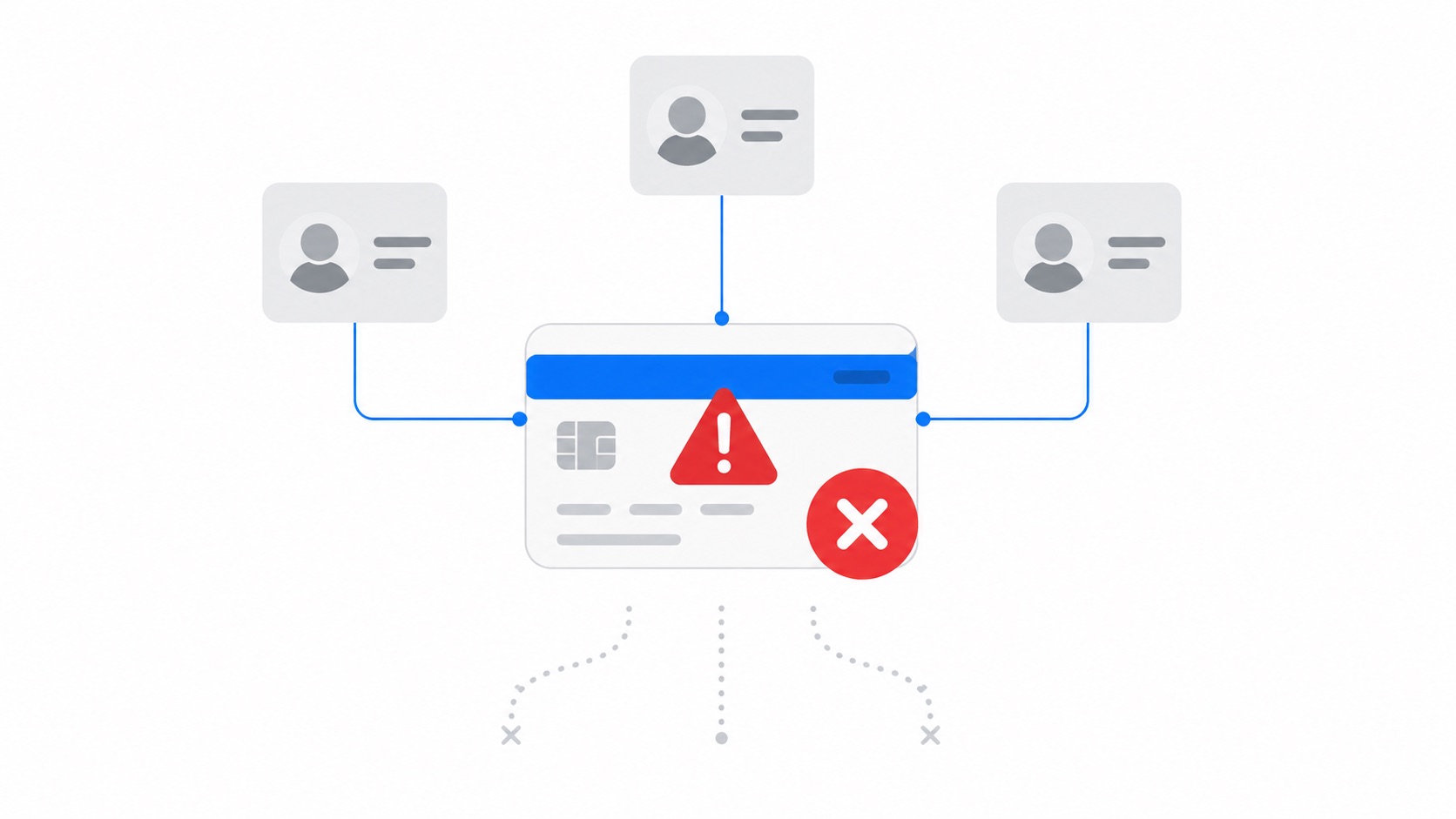
Virtual card services like Pay2.House are built exactly for this setup. They let you issue separate cards for different ad tasks, distribute spending limits, and instantly swap out a failing card.
This doesn't boost conversion by itself. But it prevents the ad flow from stopping, which means the users you set out to attract actually reach your Telegram instead of getting lost at the "payment declined" stage.
Mistake Two: Optimizing for Clicks Instead of Results
Telegram advertising has a quirk that shows up clearly in advertiser discussions.
Placement choice can dramatically affect results. In one thread, a user notes that subscriber cost can vary several times over depending on the channel, and placement itself becomes the main targeting lever. So the advertiser tests different channel-creative combinations and cuts the expensive ones.
That's the right approach, but it's not enough on its own.
Suppose one placement delivers cheap subscribers, while another brings in fewer people who are far more likely to start a conversation and buy.
Looking only at cost per subscriber, the first placement looks better. Looking at revenue, the picture can flip completely.
After launching a campaign, it's worth tracking at least three separate metrics:
- acquisition cost
- the share of users who complete the target action in Telegram
- revenue generated from the acquired audience
Ideally, you add one more metric: how much time and resources it takes to process these users.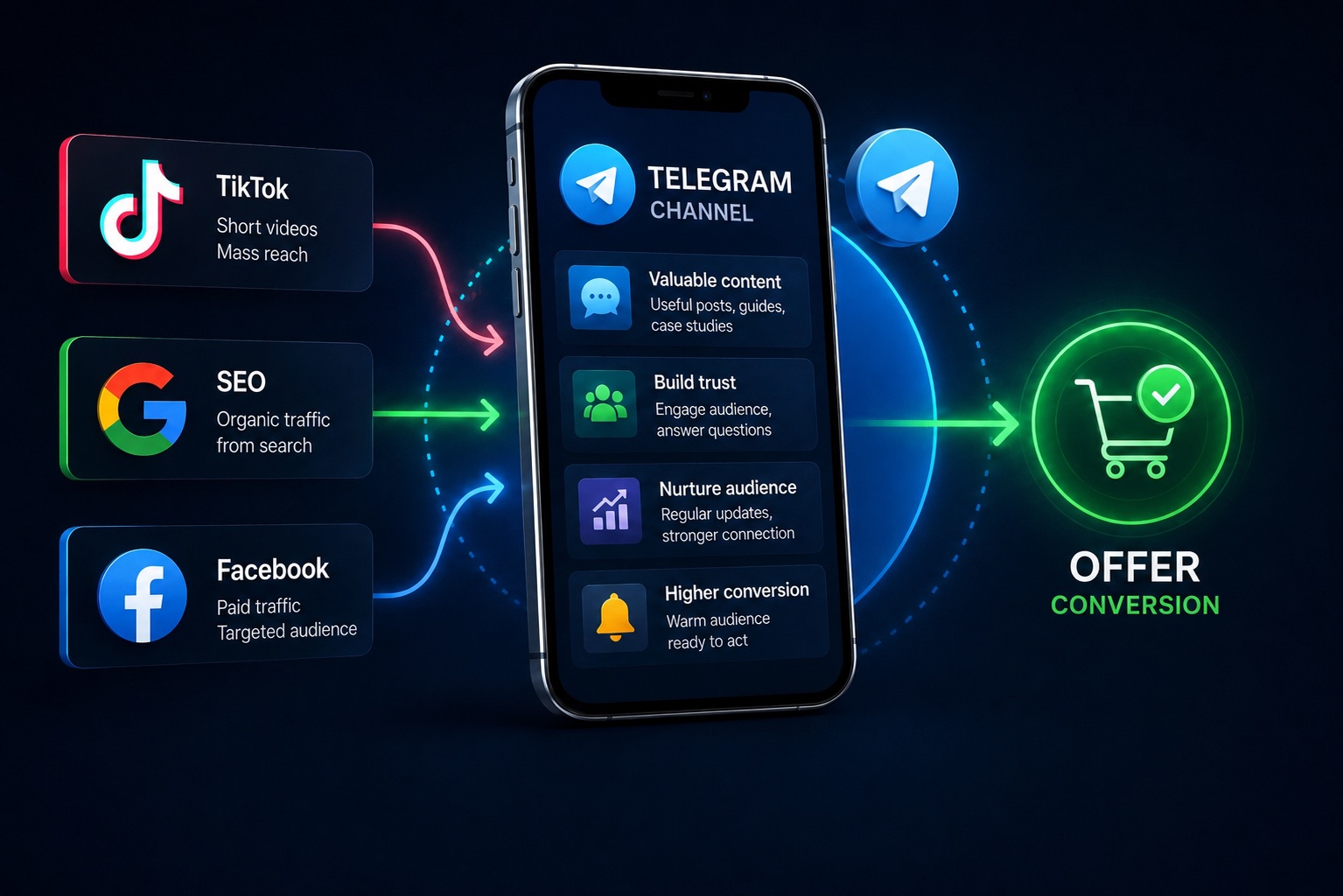
Mistake Three: Treating Telegram as the End of the Funnel
Someone clicks the ad and lands in the channel. Many advertisers stop their analysis right there. But for most businesses, Telegram isn't the finish line, it's part of the funnel.
A user might:
- subscribe to the channel
- read a few posts
- move into the chat
- send a direct message
- ask a question
- request terms or pricing
- come back later
- buy the product after a follow-up contact
The exact path varies by business model, but the underlying principle stays the same.
If nobody follows up with the user after the click, part of the ad budget effectively goes nowhere.
This shows up especially clearly in DM-based sales. In a recent case study, the author describes a funnel where external traffic lands in Telegram and the actual sale happens directly in DMs. According to their experience, a structured conversation script combined with follow-up on active conversations outperformed long, unstructured chats with no clear push toward the offer.
The specific mechanics of that case matter less than the underlying principle: a contact you've acquired needs to be treated as a lead, not just another subscriber.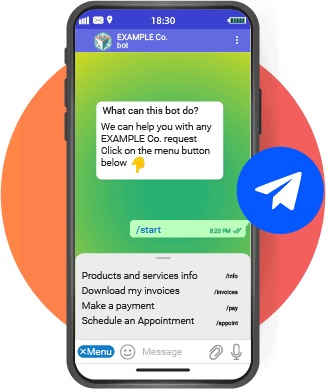
Mistake Four: Dumping All Traffic Into One Bucket
The bigger the audience gets, the less sense it makes to treat every user the same way.
Someone who just subscribed to a channel and someone who has messaged about the product multiple times are at completely different stages of the decision process. The same applies to audiences from different sources.
For example:
- one user came from an ad
- another was found in a niche community
- a third has already messaged the chat
- a fourth has been sitting in the database for a while
- a fifth showed interest in a specific product
If all of them land in one generic list with no further processing, the advertiser loses the ability to run different scenarios for each. That's why scaling Telegram marketing gradually becomes not just an acquisition task, but a database management task.
What to Do With the Audience After Acquisition
The first useful step is splitting the audience by source and level of interest.
You don't need to build a complex CRM system right away. To start, it's enough to answer a few questions:
- Where did the user come from? Ads, channel, chat, referral, owned content, or another source.
- What have they already done? Subscribed, messaged, clicked a link, asked a question, joined a group.
- What can you offer them next? Content, a consultation, a product, an affiliate offer, or another target action.
- When should you reach out again? Some leads are ready to decide right away. Others need another touchpoint.
This approach shifts you from mass audience handling toward sequential processing.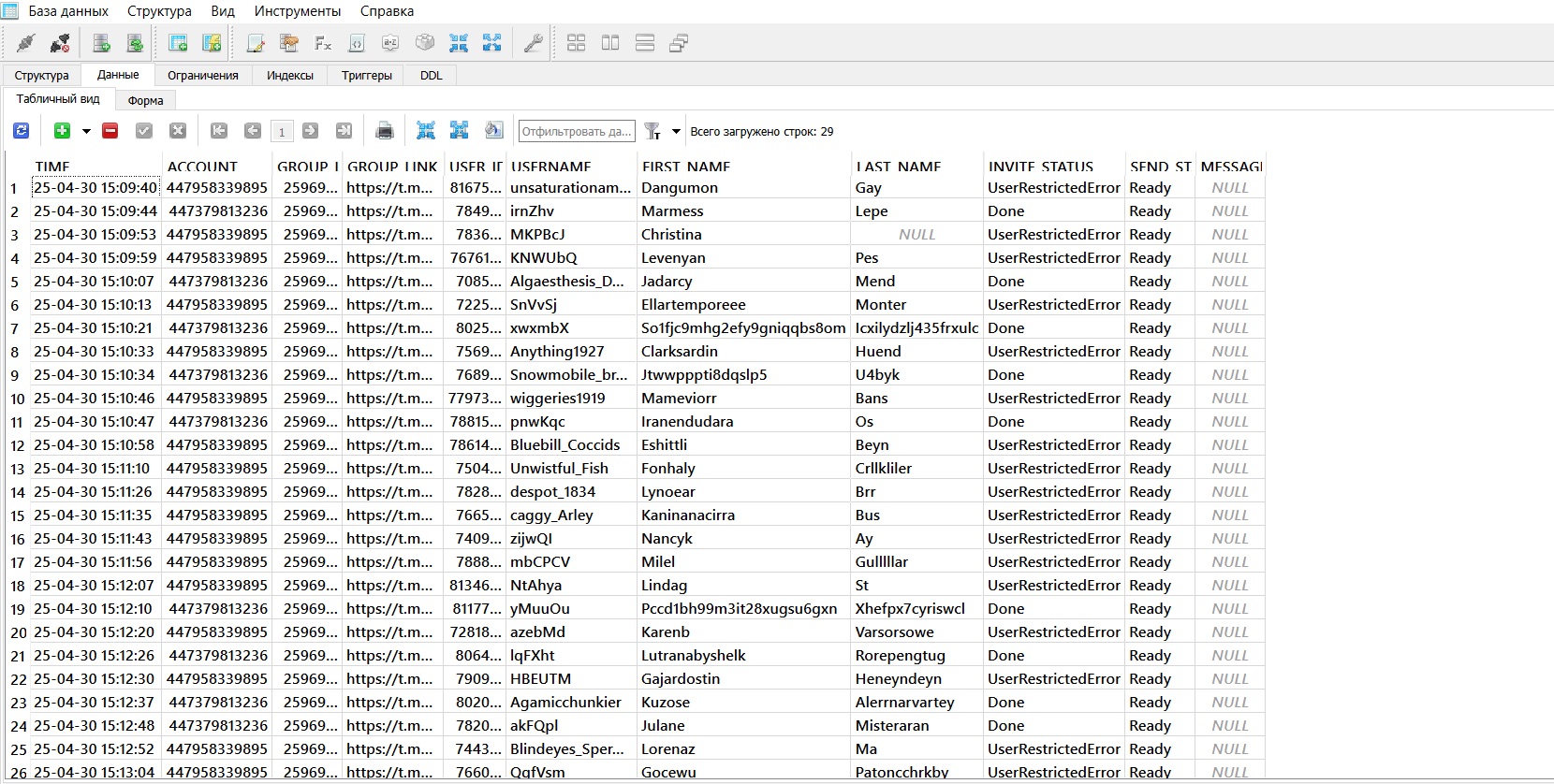
Why Manual Processing Becomes a Problem
While you have a few dozen leads, you can just open Telegram and reply to everyone yourself.
But as traffic grows, a different problem shows up. Messages arrive from multiple accounts, channels, and chats simultaneously. New inquiries, old conversations, and replies to earlier messages all pile up at once.
As a result, the manager ends up switching between accounts instead of actually working with clients.
This creates several risks at once:
- messages go unanswered
- leads get processed with delays
- a single user can get lost among other conversations
- multiple team members may work with the same audience without coordination
- it becomes impossible to quickly see which inquiries have already been handled
How to Cut Costs: From Payments to Lead Processing
To stop traffic from turning into losses, you need to close the gaps at every stage, from payment stability to systematic audience handling inside Telegram.
1. Protect your ad flow from payment failures
One card for all accounts is a single point of failure. Use virtual cards, such as those from Pay2.House, to separate payments by campaign and quickly swap out a problematic card without shutting down all your advertising. This doesn't boost conversion by itself, but it guarantees your audience sees your ads exactly when you planned for them to.
2. Build your own database
If your audience only exists scattered across separate channels and chats, it's much harder to work with systematically.
Telegram Soft Expert lets you collect members of open groups filtered by language and activity level. The resulting database can be used for future broadcasts, invitations, or product promotion.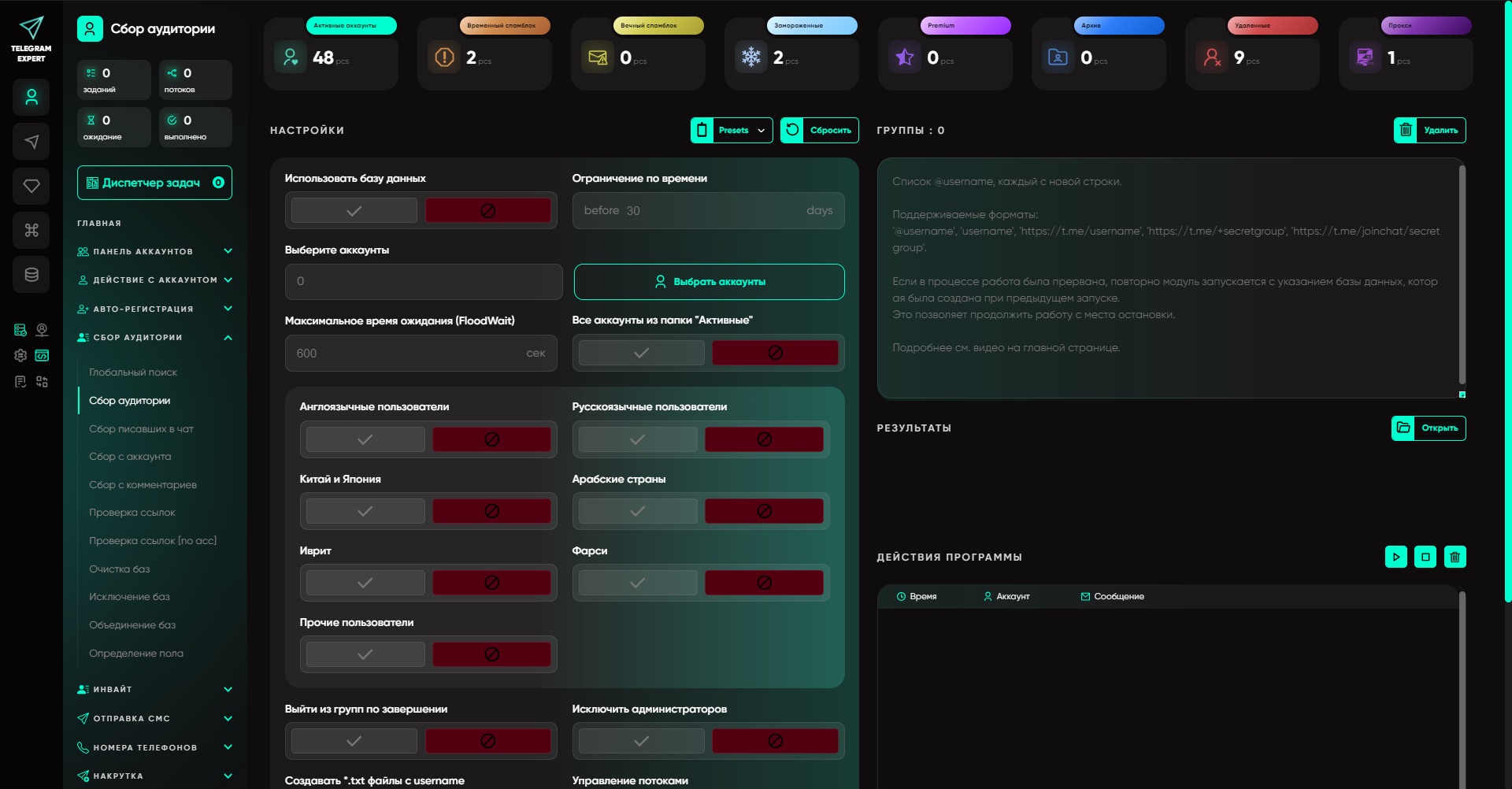
3. Separate relevant users from the rest
A large database on its own doesn't guarantee good results. Telegram Expert includes database management tools, including cleaning out users without a username, updating status labels, and reprocessing the database.
This matters especially for ongoing audience work. A database shouldn't be a one-time list. It needs to be refreshed, cleaned, and reused depending on the task at hand.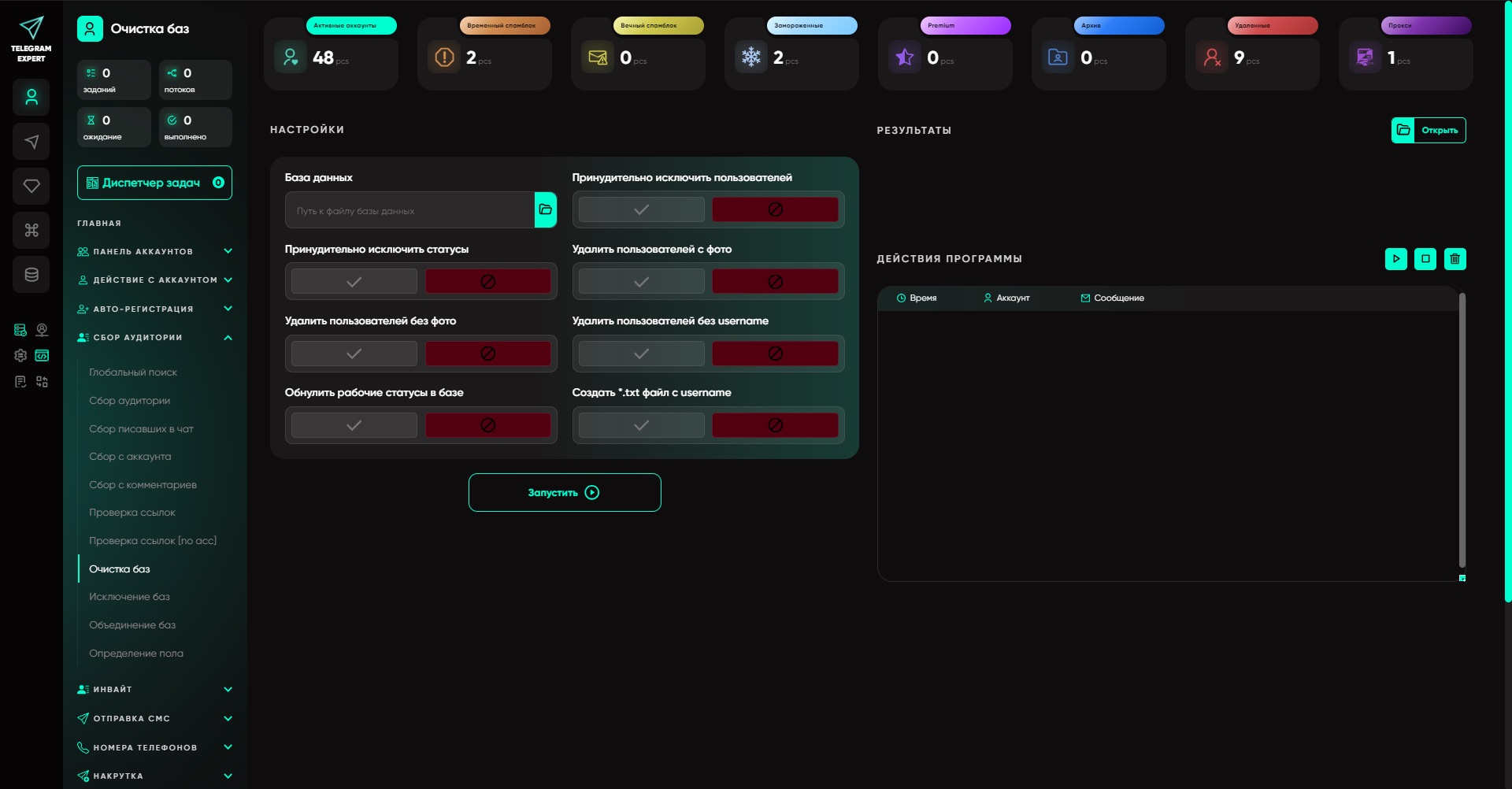
4. Stop making managers juggle dozens of accounts
If communication happens across several accounts, incoming replies can be centralized.
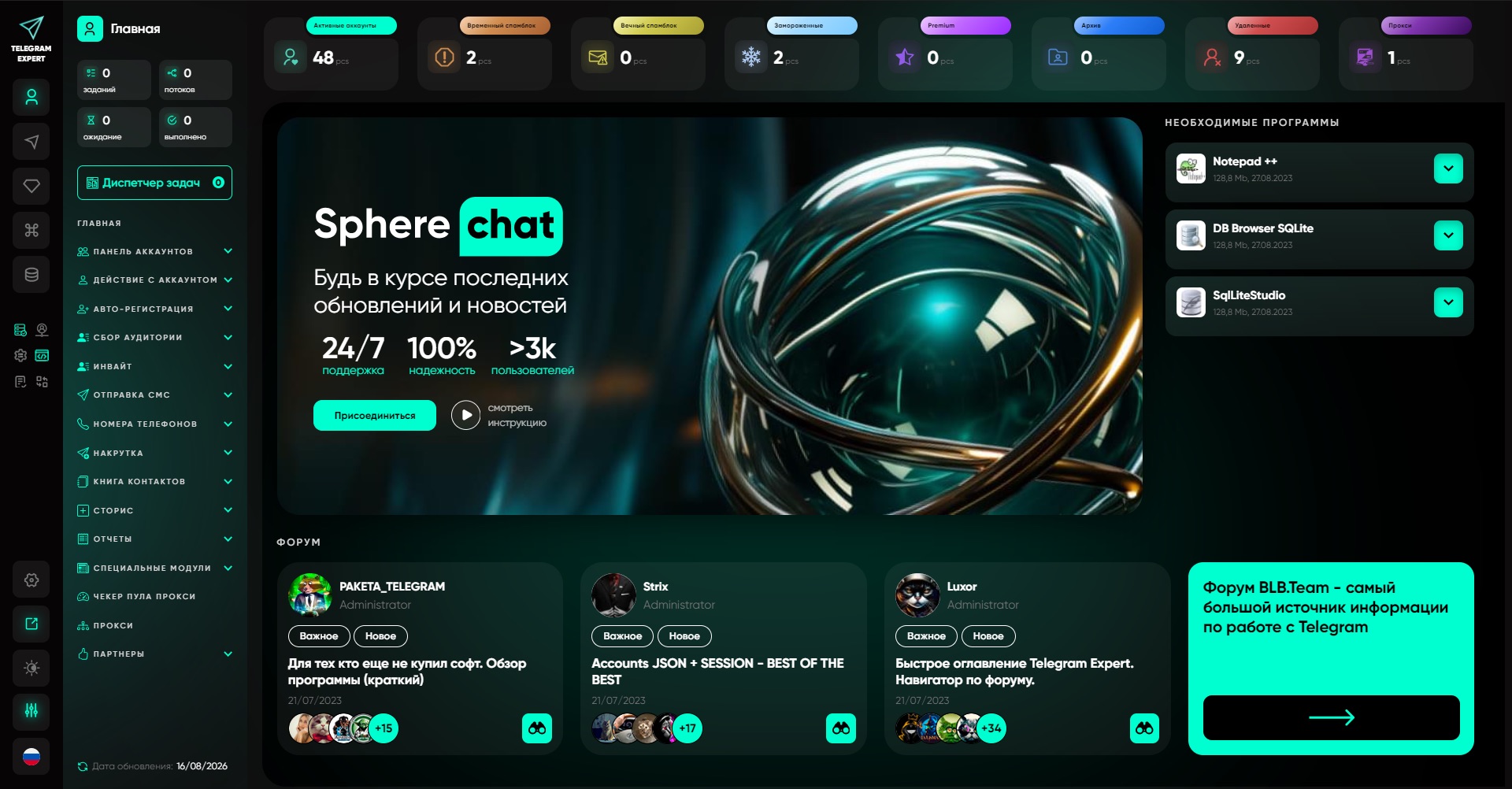
In Telegram Expert, the Forwarder module routes incoming messages into a shared work group. Settings allow multiple accounts and load distribution across operators. Text messages, images, video, voice messages, stickers, and emoji are all supported.
For a team, this changes the entire workflow. An operator no longer needs to keep opening different accounts to find where a new conversation popped up. The message lands directly in the shared workspace, ready to be handled.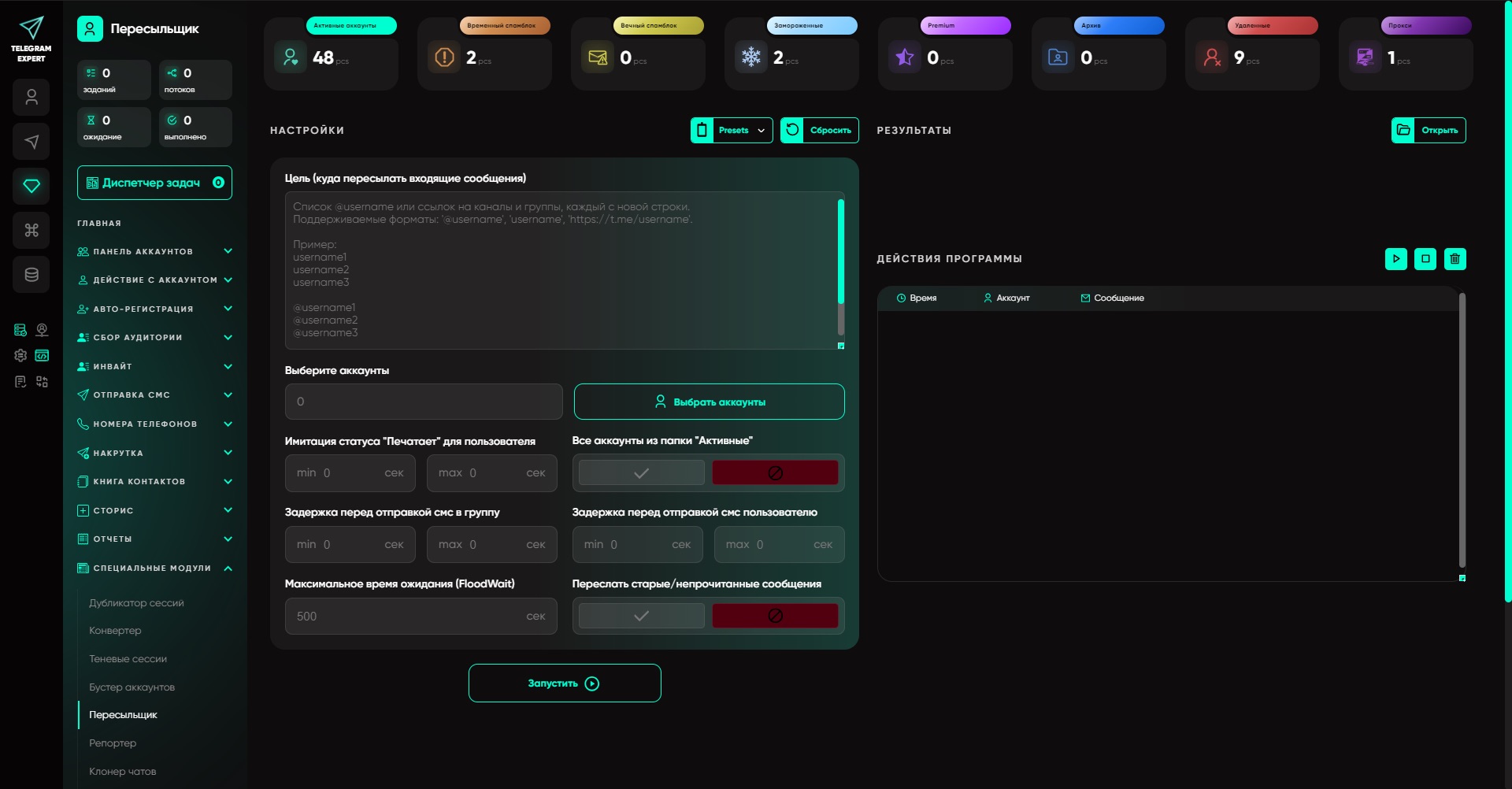
5. Track potentially important messages
Not every user immediately messages a manager saying "I want to buy." Sometimes a need gets expressed in a general chat or niche channel instead. For instance, a user asks about a specific service, looks for a solution to a problem, or asks for a recommendation.
Telegram Expert lets you track messages across groups, channels, and chats by keyword. The Interceptor module can forward matching messages into selected chats or channels.
For marketing purposes, the underlying principle matters most here. Instead of manually scanning dozens of sources around the clock, you set relevant keywords and react to matching messages as they appear.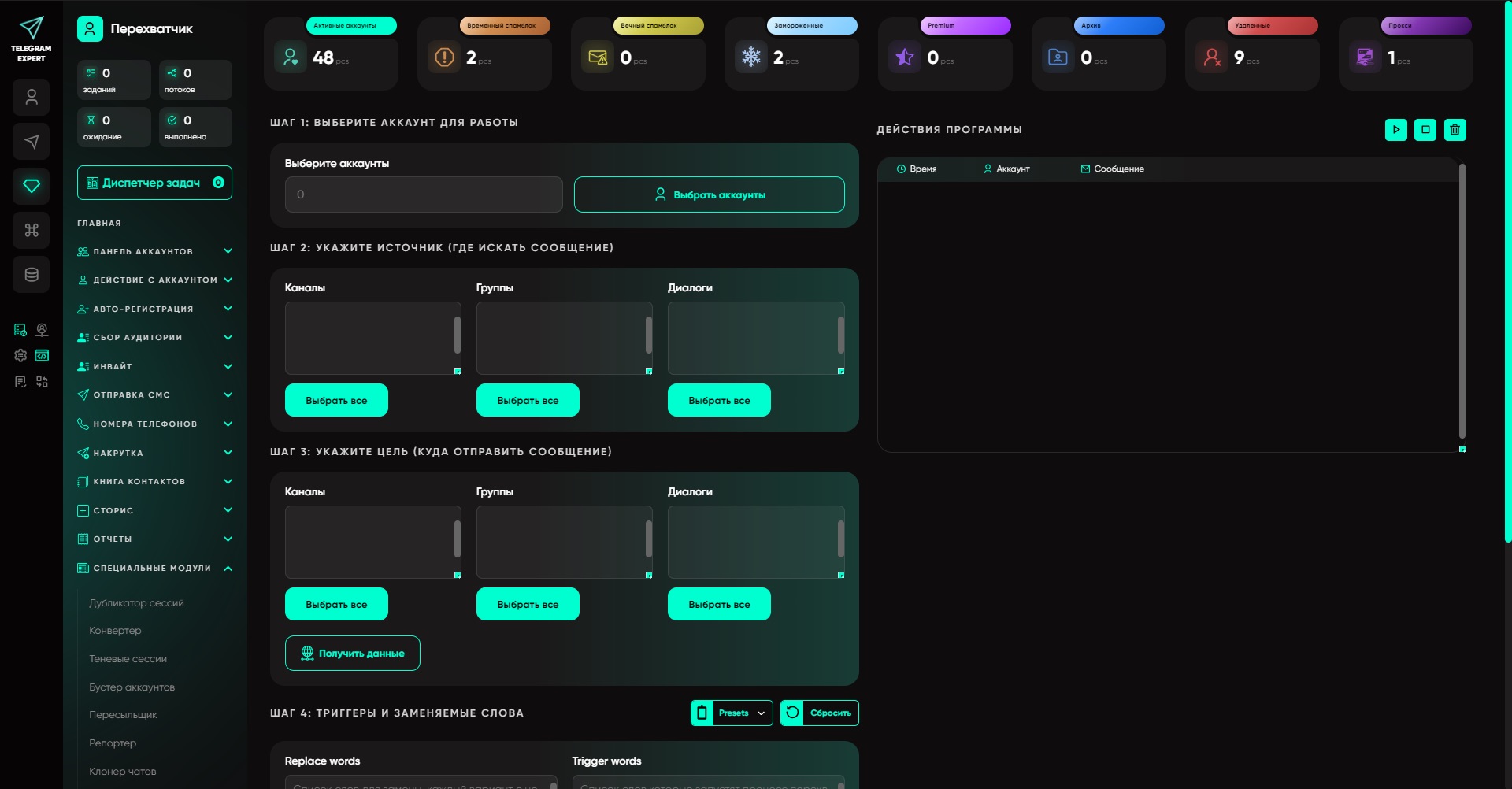
Telegram Soft Expert as an Operational Layer
At this point, it becomes clear why a dedicated Telegram tool is even needed.
The problem isn't that advertisers don't know how to buy traffic. The problem is the gap between acquiring a user and actually processing them afterward.
Telegram Soft Expert combines tools for managing accounts, audiences, and communications in one place.
It makes more sense to view it not as a replacement for ad infrastructure, but as the next layer that sits on top of it.
The process starts with audience acquisition through ad platforms, followed by moving that audience into Telegram. From there, the audience gets collected and segmented, communication gets structured, and the focus shifts to closing sales.
If the first two stages work well but everything after is handled manually, part of the potential revenue stays stuck inside an unfinished funnel.
When Telegram Expert Actually Makes Sense
There's no need to buy extra software just for a handful of accounts. Telegram Expert becomes worthwhile once you're dealing with recurring tasks and several workflows running at the same time.
For example, when you need to:
- regularly collect audiences from niche chats
- work with large user databases
- run broadcasts and invitations
- distribute incoming messages across operators
- track potential customers by keyword
- run multiple accounts simultaneously
- reduce the number of manual operations
At this point, the question isn't whether everything can be done manually. It can.
The real question is how much money manual processing costs for every next lead. If your ad budget keeps growing while manual operations scale up proportionally, scaling quickly hits a wall of human time. Automation exists precisely to keep that gap from widening as traffic volume grows.
Bottom Line: Track the Path to Revenue, Not Just Clicks
A low cost per click doesn't guarantee a low cost per customer. A cheap subscription doesn't guarantee sales either. And even a large number of Telegram accounts doesn't mean a business can actually process the corresponding volume of audience.
You need to evaluate the entire process as a whole: the cost of acquiring a user, the share who complete the target action, the conversion into a purchase, and the amount of manual work required to process that flow.
If you're already buying Telegram traffic, managing multiple accounts, and noticing that more and more time goes into manually processing users, it's time to look beyond just your ad budget.
Calculate the cost of a lost lead.
If a manager can't keep up with replies, an important message goes unnoticed, and the database gets rebuilt from scratch every time, you're paying to acquire an audience you're not fully putting to use.
Telegram Soft Expert helps close exactly this part of the funnel and turns Telegram audience management from a set of manual actions into a controlled process.
A monthly license is available to get started, including base functionality, technical support, updates, access to a closed community, and the marketplace.



 Telegram
 Email
Email








Be the first to share your opinion!
We value your feedback — share your thoughts.