



In late November – early December 2025, strong signals appeared that OpenAI may integrate advertising directly into ChatGPT. In the beta version of the Android app (version 1.2025.329), strings such as “ads feature”, “search ad”, “search ads carousel”, “bazaar content” and others were discovered. These elements indicate a future advertising interface that is not yet publicly active.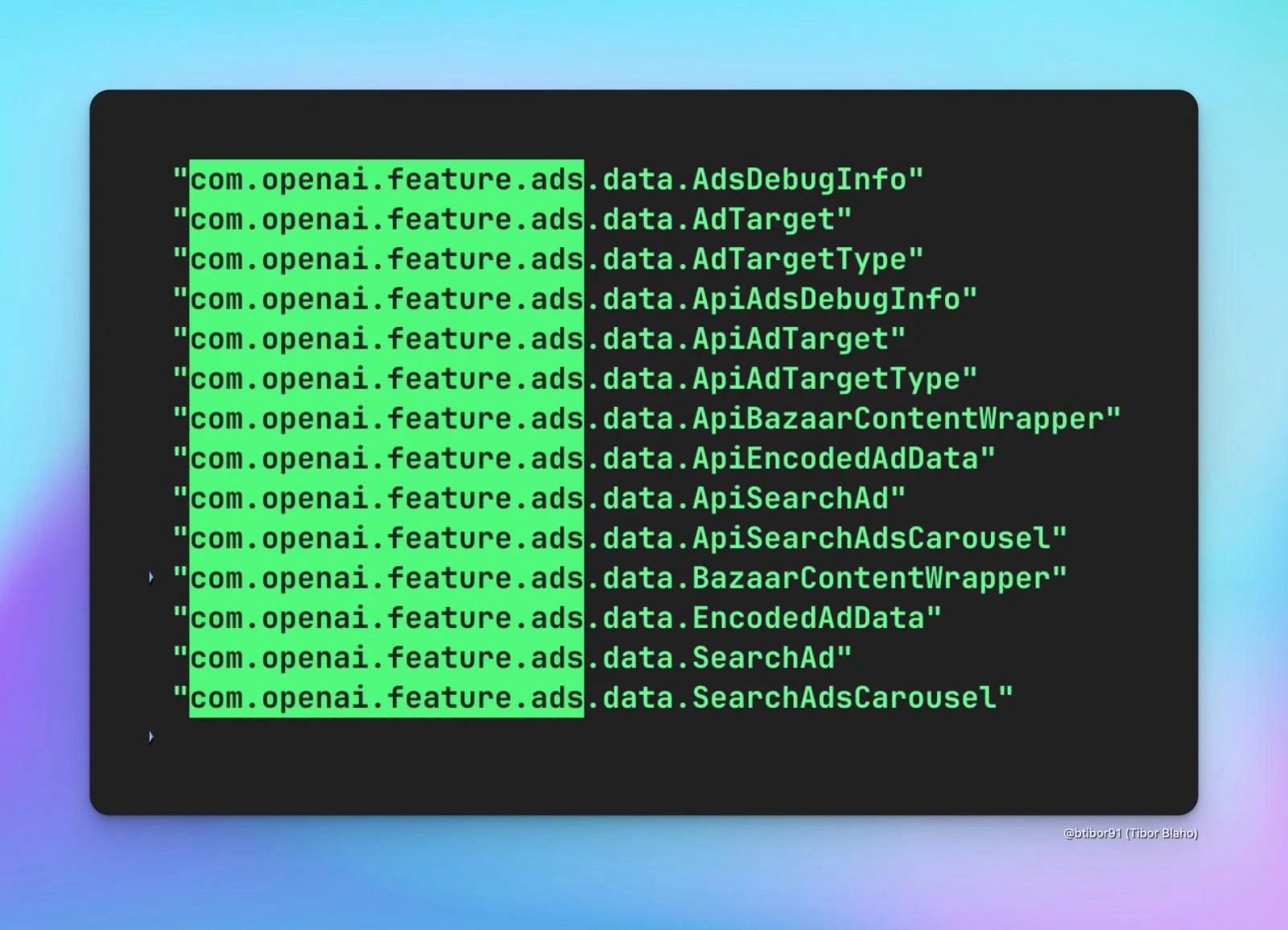
Advertising is being considered as one of the ways to monetize the huge ChatGPT audience without increasing subscription pricing.
Why this matters for the market
- Free-tier users may start seeing sponsored suggestions directly inside AI responses – changing the familiar, “clean” interaction with ChatGPT.
- Marketers and traffic arbitrage teams will gain a new advertising channel with a significant volume of commercial search intent.
- Payment infrastructure, including virtual cards for ad spend, will become even more in demand.
Possible ad formats and associated risks
| Format | What it enables | Risks |
|---|---|---|
| Sponsored blocks in search queries | Familiar search-driven experience, low intrusiveness | Reduced trust in AI responses |
| Offer cards or carousels after an answer | High CTR, relevant offers in context | User irritation if shown too frequently |
| Commercial recommendations in conversation | Maximum relevance to user intent | Concerns about neutrality and privacy |
OpenAI has not officially announced the launch yet, but the direction is already clear.
How ChatGPT ads may change the work of advertisers and media buyers
If this new ad system goes live, ChatGPT will become a point of decision-making. Users ask a question, receive an answer, and immediately see an actionable option.
Key advantages for digital teams:
- Higher readiness to act. A request is formulated consciously – conversion probability increases.
- Global audience reach. Not restricted by traditional advertising platforms’ limitations.
- Funnel remains inside the chat. Fewer redirects – higher conversion rate.
- First-mover advantage. Lower costs and stronger positioning before major brands enter.
Particularly relevant for products and services where guidance matters before action: education and AI platforms, finance, apps, subscriptions.
What to prepare in advance
To test this new channel quickly, advertisers and arbitrage teams will need a flexible operational infrastructure:
- virtual cards for international ad accounts;
- fast issuance of new cards for different tests and BINs;
- budget control and spending analytics for the team;
- instant top-ups anytime, including USDT.
These needs are already covered by Pay2.House — a solution widely used by media buyers and agencies for funding ads and subscriptions.
Our forecast
- Most likely, ads will first appear in ChatGPT’s free version — allowing OpenAI to test reactions and demand.
- Search-style placements and offer carousels appear to be the least intrusive and most familiar formats.
- The period of low competition will be short.
- Teams prepared in advance will take leading positions quickly.
Conclusion
The launch of advertising in ChatGPT is a logical step for OpenAI considering the scale and infrastructure costs. But it also brings a challenge: turning an ad-free AI assistant into a commercial platform means risking user trust.
If you work in affiliate marketing, digital advertising or e-commerce, now is the right time to explore ChatGPT as a potential advertising channel and prepare the payment infrastructure for fast execution.
Register on Pay2.House and get a ready payment platform for AI-powered advertising. Follow our updates — we will share guidance on working with ChatGPT ads and paying for them seamlessly via Pay2.House.

 Telegram
 Email
Email



Be the first to share your opinion!
We value your feedback — share your thoughts.